
Respiratory Syncytial Virus RSV Vaccine
"Book online to get expert travel health advice and vaccinations at-store."
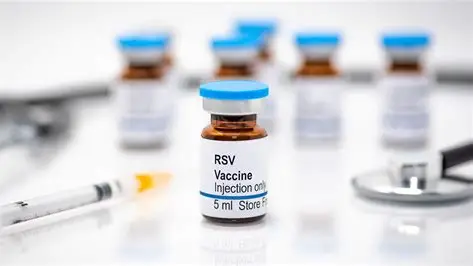
What is Respiratory syncytial virus RSV
Respiratory syncytial virus RSV is a common cause of coughs and colds. RSV infections usually get better by themselves but can sometimes be serious for babies and older adults.
Who's at risk from RSV
RSV infections are very common. Almost all children get them at least once before they’re 2 years old.
They’re not usually serious, but some babies and adults have a higher risk of getting seriously ill, particularly:
babies under 6 months old
young children who were born prematurely
adults over 75 years
babies, children and adults with a weakened immune system, or long-term lung or heart conditions
people who smoke tobacco and babies exposed to tobacco smoke
In babies, RSV is a common cause of a type of chest infection called bronchiolitis. This can cause breathing problems and may need to be treated in hospital.
RSV can also cause a serious lung infection (pneumonia) in babies and older adults.

How to avoid catching and spreading RSV
RSV is spread in the coughs and sneezes of someone who has the virus.
There are some things you can do to reduce your chances of getting it or spreading it to anyone else, such as:
wash or wipe down toys and clean surfaces regularly
try to avoid touching your eyes, nose or mouth if your hands are not clean
use disposable tissues and throw them away as soon as you’ve used them
try to keep newborn babies away from anyone with a cold or the flu – especially if they were born prematurely or have serious health conditions
Treatment for RSV infections
There’s no specific treatment for an RSV infection.
It often gets better on its own in 1 or 2 weeks and you can usually look after yourself or your child at home.
Children and adults who get a more serious infection may need to be treated in hospital.
Treatment in hospital may include being given fluids to avoid dehydration or oxygen to help you breathe.
We provide a comprehensive range of travel vaccinations and antimalarials. It is recommended that you book your appointment 6-8 weeks prior to your travel to ensure that you can get the recommended vaccinations on time.